ArmAble®
Powered by BeOne®
Game‑Based Upper‑Limb Rehabilitation Device
Clinically validated, AI‑powered therapy that turns repetitive upper‑limb exercises into engaging games for stroke, brain injury, paediatric and musculoskeletal rehabilitation.
High‑intensity, bilateral upper‑limb training that supports neuroplasticity and functional recovery.
Game‑based sessions that keep patients motivated for longer, often delivering 400–600+ purposeful repetitions per session in routine clinical use.
Data‑driven insights through the BeOne software ecosystem for therapists, doctors and clinical teams.
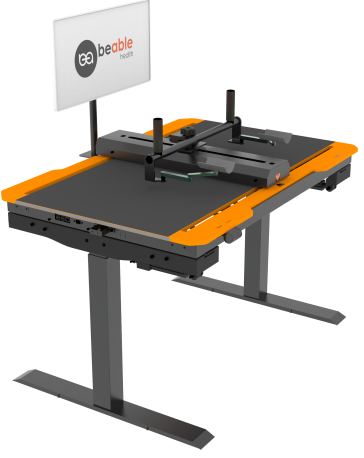
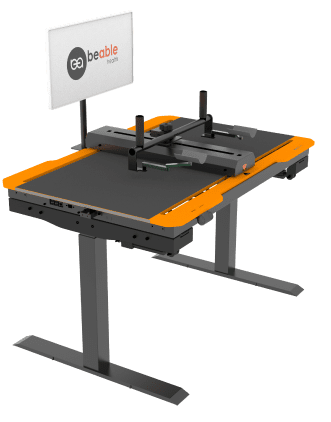
ArmAble is a game-based bilateral passive therapy device that augments active movements in patients.
Performing high-repetitions and high-intensity active exercises with ArmAble, assists the brain to rewire itself thus helping build new neural connections in the brain as a result of neuroplasticity.
What is ArmAble®?
ArmAble® is an interactive, game‑based upper‑limb rehabilitation device designed to deliver intensive, repetitive and task‑oriented therapy in a highly engaging format. It combines custom hardware, multiple interchangeable handles and the BeOne® software platform to support active, assisted and bilateral training across a wide spectrum of neurological and musculoskeletal conditions.
ArmAble® is a clinically validated medical device created at the Center for Healthcare Entrepreneurship (CfHE), IIT Hyderabad, to address the global need for engaging, high‑dose upper‑limb rehabilitation after stroke and other neurological injuries.
How ArmAble® Works

Play‑Driven Therapy
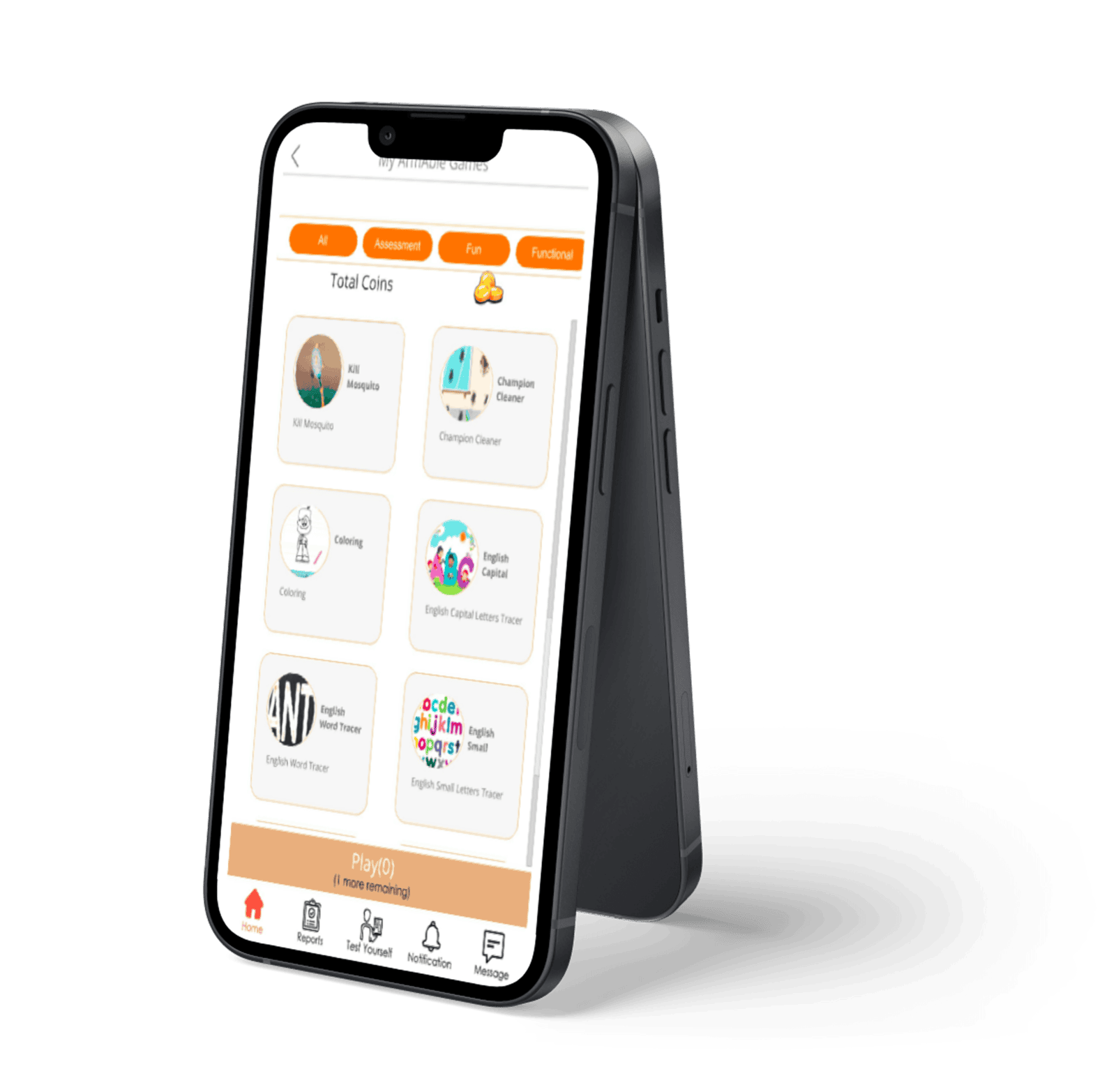
Patients perform targeted reaching, grasping and functional arm movements by playing culturally familiar games such as swatting mosquitoes, making dosas, rolling chapatis or plucking fruits. Each game has multiple levels so therapists can progressively challenge speed, precision and endurance.

Review Data & Progress
ArmAble logs kinematic data and performance metrics, which BeOne visualises as repetitions, accuracy, speed and session trends over time. Therapists and clinicians use these insights to adapt therapy plans and share progress with patients and caregivers.
Key Features
Game‑based bilateral therapy for intensive active and active‑assisted exercises that stimulate neuroplasticity and functional gains.
AI‑assisted adaptive difficulty that automatically adjusts game levels and targets to match each patient’s performance in real time.
Multiple therapeutic handles to train different grips and joint movements, including bilateral elbow extension and diverse wrist and hand patterns.
High‑repetition capability (commonly 400–600+ repetitions per session) delivering higher therapy doses without increasing therapist fatigue.
Deep BeOne® integration for patient management, real‑time feedback and objective progress reports across sessions and episodes of care.
Tele‑rehab ready architecture to support supervised home‑based programmes and remote monitoring where protocols and regulations allow.
ArmAble® Can Benefit
Stroke/TBI
Spinal Cord Injury
Multiple Sclerosis

Frozen Shoulder
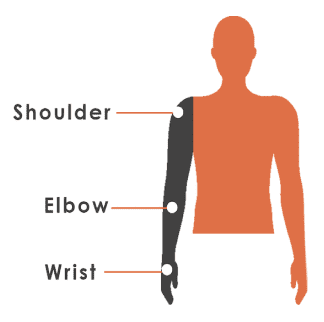
To train functional movements of the following joints
Primary Indications
Stroke and post‑stroke hemiparesis.
Traumatic brain injury (TBI).
Cerebral palsy – paediatric and adult.
Spinal cord injury (upper‑limb and seated balance work).
Multiple sclerosis and other central nervous system conditions affecting upper‑limb control.
Musculoskeletal conditions such as fractures, frozen shoulder and complex shoulder or elbow dysfunction.
Who is ArmAble® For?
Typical Settings
Hospital neurorehabilitation units and stroke centres.
Standalone rehabilitation and physiotherapy clinics.
Paediatric therapy centres.
Home‑based rehab programmes under professional supervision.

Motivating
Games

20+
Games

10X
Repetitions

Increase
Adherence

Measures
Progress

Digital
Reports

Increased
Recovery

Increased
ROI
Engaging patients in interactive and immersive games, allowing them to perform Self-Driven Active Exercises using Bilateral Therapy. The engaging games also helps perform higher number of repetitions, which helps promote neuroplasticity, and create new connections in the brain. The progress data helps motivate patients and empower therapist to alter the course of therapy by looking at data and visualizing even the smallest of improvements.
ArmAble® Movements

Horizontal Abduction/
Adduction

Shoulder Internal / External Rotation

Shoulder Flexion/ Extension

Elbow Flexion/ Extension

Forearm Pronation/ Supination

Wrist Ulnar / Radial
Deviation
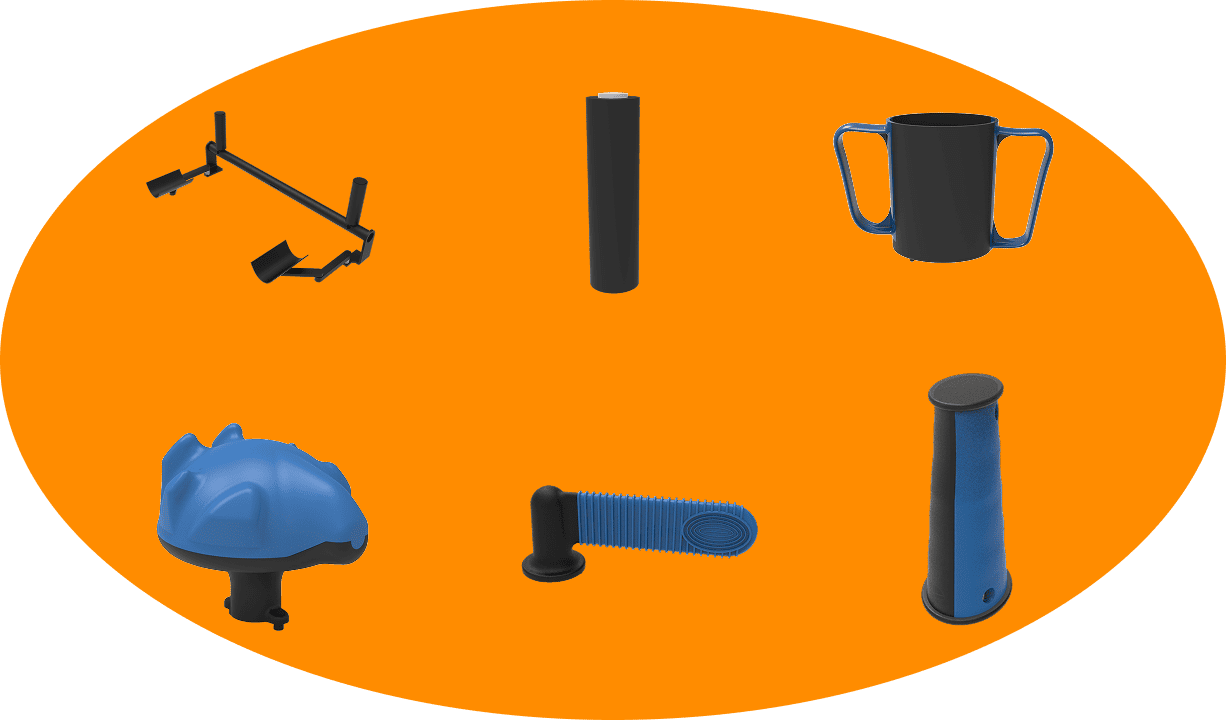
ArmAble® Handles
01

Bilateral
Handle
Horizontal Abduction/
Adduction
Elbow Flexion/ Extension
Inclination -Resistance Training
02

Unilateral
Handle
Elbow Flexion /Extension
Forearm Pronation / Supination
Wrist Ulnar / Radial Deviation
03
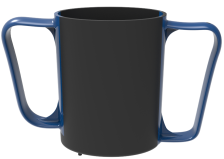
Mug
Handle
Hook Grip / Cylindrical Grip
Forearm Pronation /
Supination
Wrist Ulnar / Radial Deviation
04
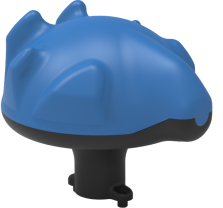
Spherical
Handle
Spherical Grip
Elbow Flexion/ Extension
Forearm Pronation/ Supination
05
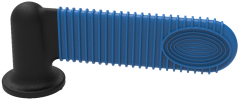
Pinch
Handle
Pinch Grip
Forearm Pronation/
Supination
Ulnar / Radial Deviation
06
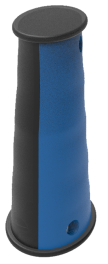
Cone
Handle
Elbow Flexion / Extension
Forearm Pronation / Supination
Wrist Ulnar / Radial Deviation
ArmAble® is easy to use
Step 1
Select the Position
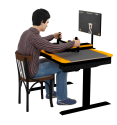
Sitting
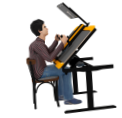
Sitting Inclination
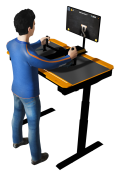
Standing
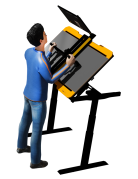
Standing Inclination
Step 2
Select Handles
Step 3
Select Games-Play
Clinical Evidence & Outcomes
A multi‑centre randomized clinical trial on a game‑based upper‑limb rehab device showed significantly better functional gains with ArmAble compared to conventional therapy alone, including higher recovery percentages and greater improvements on standard stroke scales.
ArmAble has been deployed in more than 50 hospitals and rehabilitation centres across India, delivering tens of thousands of therapy sessions for thousands of patients.
It is used by leading institutions such as NIMS, Hamsa Rehab, Ramaiah and Mission Rehab, with clinicians reporting improved engagement and measurable outcomes.
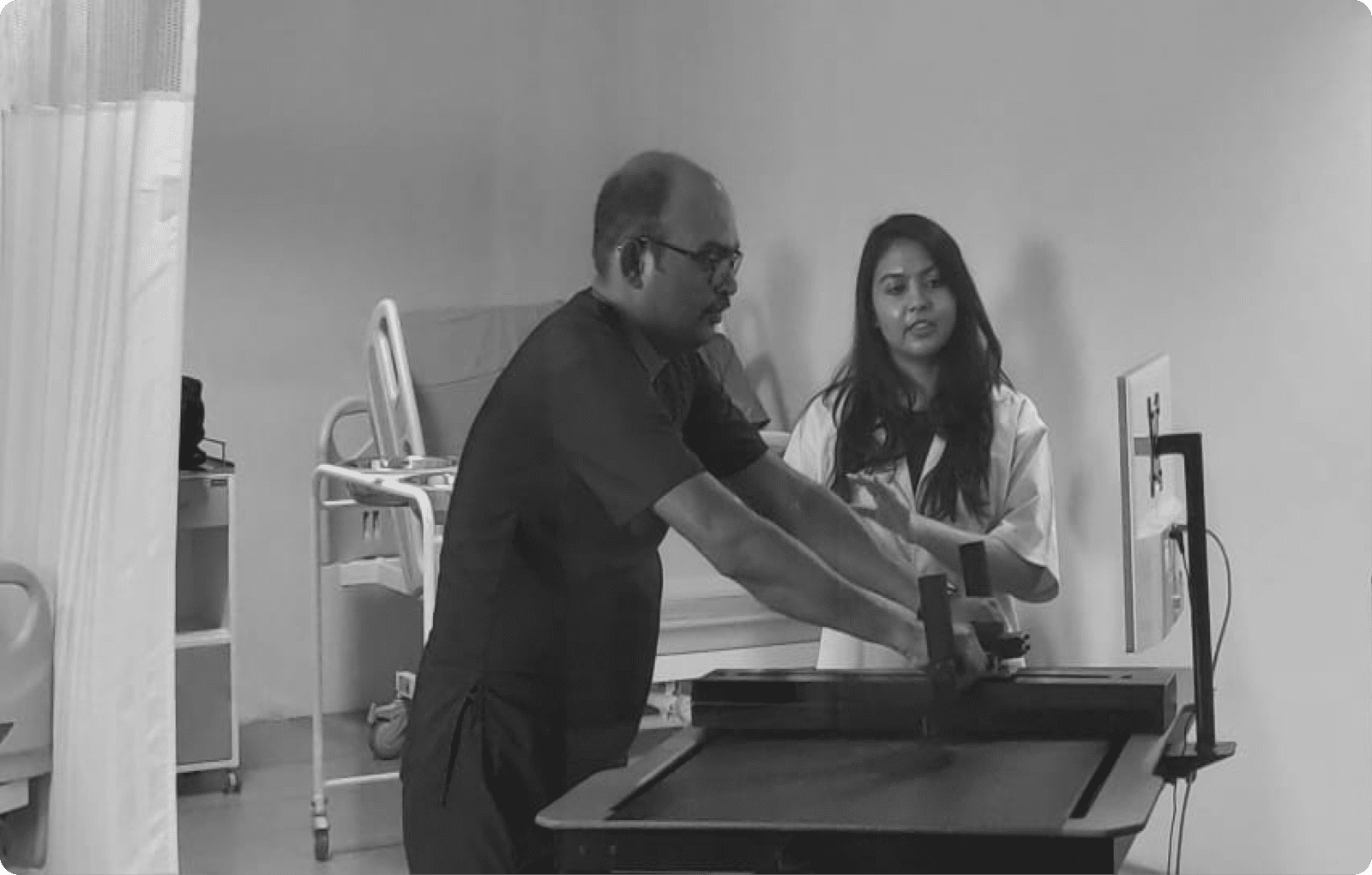
Evaluation of a gamified upper arm bimanual trainer for stroke patients A healthy cohort study

Research Publications
Effects of a Novel Game Based Arm Rehabilitation Device, the armable , on Improving Upper Limb Function in People With Stroke
Effectiveness of an intensive, functional, gamified Rehabilitation program in improving upper limb motor function in people with stroke: A protocol of the EnteRtain randomized clinical trial
Effectiveness of an Intensive, Functional, and Gamified Rehabilitation Program on Upper Limb Function in People With Stroke (Entertain) A Multicenter Randomized Clinical Trial